Our Story Svg: A Designer's Real-World Review
When I first opened the Our Story Svg file to test it for a new client project, my immediate reaction wasn't about the technical specs or the list of included formats. It was about the feeling the design evoked. In the world of machine embroidery, where thread texture and stitch density dictate the final look, a design must do more than just fit on a hoop; it must tell a story that holds up under tension. This T-Shirt Designs category entry is marketed as a versatile asset for everything from mugs to stickers, but as an experienced designer, I am interested in how it performs when converted into actual thread.
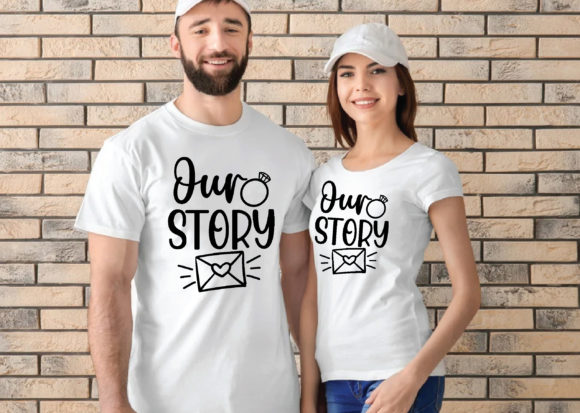
The visual personality of Our Story Svg strikes me as warm, nostalgic, and inviting. The layout suggests a narrative arc rather than a static logo. For a handmade product or a boutique brand, this mood is invaluable. It feels like something you would see on a cherished family heirloom or a custom gift that carries emotional weight. However, translating that digital sentiment into a physical stitched piece requires careful consideration of fabric behavior and machine limitations. Before I commit to using this for a commercial run, I had to ask myself: does this design have the structural integrity to survive the stitching process without puckering or losing detail?
Real-Life Application: From Screen to Stitch
To truly understand the potential of this design, I put it through a practical scenario. I envisioned creating a line of personalized baby onesies for a local nursery boutique. The goal was to create a soft, sentimental keepsake that parents would want to display. I loaded the Our Story Svg into my digitizing software and mapped out the stitches. The initial thought was to use a satin stitch for the outline to give it a crisp edge against the cotton jersey of the onesie.
In this context, the design shines. The curves appear fluid, which translates well to the rounded shapes of baby clothing. When I simulated the fill stitches, the density looked balanced enough to cover the fabric without being too heavy. A heavy design on a thin baby garment can lead to stiffness, making the item uncomfortable. Fortunately, the Our Story Svg appears to have a lighter touch, making it perfect for baby embroidery projects where comfort is paramount. If I were to sell these as personalized gifts, the design offers a professional finish that elevates the perceived value of the finished product.
I also considered its application on a canvas tote bag for a craft fair. Here, the durability factor becomes critical. A tote bag endures significant stress and frequent washing. The design needs to be robust. While the vector files provided in the download are high resolution, the success of the final embroidery project depends heavily on the stabilizer used. For a canvas tote, I would recommend a cut-away stabilizer to prevent the fabric from shifting during the long stitch sequences. The versatility of the file formats, including DXF and EPS, allows for easy resizing, which is essential when adapting a single design for different products like aprons or kitchen towels.
Navigating Fabric Challenges and Limitations
Not every surface is created equal, and knowing where Our Story Svg might struggle is just as important as knowing where it excels. One area where designers often face issues is with stretchy fabrics like polyester blends or lightweight knits. If the stitch density is too high, the tension of the thread can pull the fabric, causing the design to warp or the garment to pucker around the edges. When working with custom apparel made from stretch materials, I always advise testing the design on a scrap piece first to adjust the tension settings.
Another tricky scenario involves textured fabrics or dark backgrounds. If the original design relies on fine lines or small lettering, these details can get lost in the weave of a thick fleece sweatshirt or get swallowed by the color of a black shirt. For sweatshirt embroidery, ensuring high contrast between the thread colors and the fabric is non-negotiable. I would suggest avoiding very light threads on dark fabrics unless the design uses a heavy underlay or a specific applique technique to create a base layer. Without proper planning, the text could become illegible, ruining the impact of the message.
Curved surfaces, such as caps or hats, present another set of challenges. While the digital file looks flat and perfect on a screen, transferring it to a curved cap requires precise hoop placement and potentially adjusting the stitch angles to follow the contour of the hat. If the design has sharp corners or intricate details, they may not register clearly on the curve. For embroidered patches or items requiring a rigid structure, this is less of a concern, but for soft goods, the curvature can distort the visual balance of the composition.
Practical Notes for the Embroidery Designer
Before you start stitching your next batch of handmade products, there are several technical checks you should perform with the Our Story Svg file. First, always inspect the small details. Sometimes, when converting from SVG to a machine-readable format, tiny elements can disappear or merge incorrectly. Zoom in on the corners and check if any paths are closed properly. This ensures that the stitch density is even and that no areas are left unfinished.
Thread color selection is equally vital. The design's appeal relies on the harmony of the chosen threads. I recommend creating a mockup using grayscale values to ensure that the light and dark elements of the design will stand out regardless of the specific thread colors you choose. This step helps maintain brand consistency across different product lines. Whether you are selling on Etsy or running a small shop, a consistent visual identity builds trust with your customers.
Don't forget to verify the licensing terms before selling finished items. While the listing mentions high-resolution downloads for various uses, the commercial rights for selling embroidered goods can vary. Confirm whether the purchase includes a commercial license for the finished product or if it is limited to personal use. This protects your business from legal issues down the road.
Finally, consider the washability of your project. For items like kitchen towels or holiday gifts that will be washed frequently, ensure that the design is secure. Using a proper stabilizer and checking the back of the work for loose threads will extend the life of the item. A well-executed embroidery file results in a durable product that customers will cherish and recommend to others.
In conclusion, Our Story Svg is a compelling asset for designers looking to add a touch of storytelling to their graphics. Its strength lies in its adaptability across various mediums, from soft garments to sturdy bags. By paying attention to fabric choice, stitch density, and proper stabilization, you can transform this digital file into a tangible, high-quality commercial embroidery piece that resonates with buyers. Whether you are a seasoned pro or a hobbyist maker, taking the time to evaluate the design's real-world performance ensures that your final product meets the highest standards of craftsmanship.