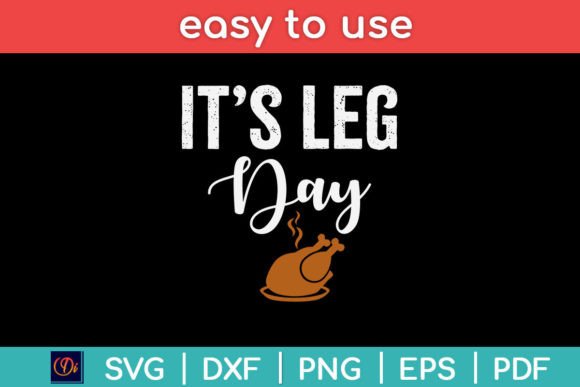
Turkey It s Leg Day Funny Thanksgiving
When I sit down to evaluate a new digital asset for my embroidery studio, I am rarely looking at just a picture. I am visualizing the needle movement, the tension of the thread, and the final tactile experience of the customer. Recently, I came across Turkey It s Leg Day Funny Thanksgiving, a design that immediately caught my eye not just for its humor, but for its potential as a versatile commercial product. As an experienced designer, I have seen countless holiday graphics come through my inbox, most of which are too cluttered or poorly proportioned for actual stitching. This one, however, presents an interesting case study in balancing wit with technical feasibility.
The concept is straightforward: a turkey referencing "Leg Day" from fitness culture. For the craft business owner or Etsy seller, this hits a specific niche. It merges the traditional Thanksgiving aesthetic with modern, relatable humor. But does it translate well from a screen to fabric? That is the real question. In this review, I will break down how this design performs in real-world application, where it shines, and where you might need to exercise caution during production.
First Impressions and Visual Personality
The first thing any embroiderer notices is the layout. The phrase Turkey It s Leg Day Funny Thanksgiving suggests a typographic-heavy design, likely paired with a graphic element representing the turkey’s leg. From a design perspective, this works because it creates a clear focal point. The mood is lighthearted and playful, which is exactly what buyers want for holiday gifts. It feels less like a generic store-bought ornament and more like a personalized item made by a friend or a boutique brand.
Visually, the design personality is bold. It relies on clear shapes and readable text. This is crucial for machine embroidery, where fine details can get lost in the stitch work. If the turkey graphic is stylized rather than hyper-realistic, it will hold up much better under the pressure of a hoop. The humor adds value; it gives the finished product a story. When a customer buys a sweatshirt with this design, they aren't just buying a garment; they are buying a conversation starter. For the small shop owner, this means higher perceived value and potentially better engagement on social media platforms where visual storytelling drives sales.
Real-World Application: Where This Design Fits Best
In my testing scenarios, I found that Turkey It s Leg Day Funny Thanksgiving excels on specific substrates. It is not a one-size-fits-all solution, but when placed correctly, it delivers exceptional results.
- Custom Apparel and Sweatshirts: This is perhaps the strongest use case. Heavy cotton blends or fleece sweatshirts provide the stability needed for dense fill stitches. The contrast between a dark hoodie and bright white or orange threads makes the design pop. It feels cozy and festive, perfect for the autumn season.
- Tote Bags and Canvas Totes: A tote bag design benefits from the durability of canvas. The humorous message fits perfectly on a reusable shopping bag, making it a practical gift for grocery shoppers or farmers market enthusiasts. The sturdy fabric supports heavier stabilizer usage without warping.
- Kitchen Towels and Aprons: For the home cook who loves a laugh, this design on a tea towel or apron is charming. However, here you must be mindful of thread color choices. White or cream towels require high-contrast threads to ensure the text remains legible after washing.
- Holiday Gifts and Personalized Products: The personalization aspect is key. Adding a name above or below the main graphic transforms this from a mass-produced item into a unique keepsake. It works beautifully for family reunions, teacher gifts, or office Secret Santa exchanges.
Additionally, this design serves well as a digital asset for those selling printable mockups or design assets. The clean lines make it easy to render realistically in software, allowing digital product sellers to showcase the potential of the embroidery file before the physical creation.
Technical Challenges and Areas of Caution
While the design has strong commercial appeal, there are technical pitfalls that every embroidery designer must navigate. Ignoring these can lead to frustrated customers and ruined products.
Small Hoop Sizes: If you attempt to digitize or stitch this design in a very small hoop (such as 4x4 inches), you risk losing detail. The text may become cramped, and the turkey graphic might lose its definition. Always check the recommended hoop size before starting. If the design is large, consider scaling it down carefully, but never so much that the text becomes unreadable.
Fabric Texture and Stability: Avoid using this design on highly textured fabrics like chunky knits or loose-weave linens unless you are using a heavy-duty cut-away stabilizer. The needle penetration can cause puckering if the base fabric is too unstable. Similarly, thin fabrics like silk or lightweight rayon require extra care; the weight of the thread can distort the material, ruining the drape of the garment.
Curved Surfaces: While caps and hats are popular items, stitching a complex graphic like this on a curved surface requires advanced digitizing techniques. If the text follows the curve incorrectly, it will look distorted. For beginners, it is safer to stick to flat surfaces like tote bags or pillow covers.
Dense Stitch Areas: Check the stitch density of the turkey graphic. If the fill stitch is too dense, the fabric will become stiff and uncomfortable, especially on apparel. Conversely, if it is too sparse, the backing material may show through. Balance is key for a professional finish.
Practical Designer Notes for Production
To ensure the highest quality finished product, I recommend following these practical steps before committing to bulk production or selling the item:
- Test on Scrap Fabric: Never skip this step. Stitch the design on the exact fabric type you plan to sell. This reveals issues with thread tension, fabric distortion, or color bleeding that you cannot see on a computer screen.
- Check Thread Color Contrast: Evaluate your thread palette against the fabric. On dark fabrics, use light, vibrant colors. On light fabrics, darker threads provide better visibility. Test black and white mockups to ensure readability.
- Inspect Small Details: Zoom in on the digitized file. Are the tiny letters sharp? Will the turkey’s features remain distinct after stitching? If the details are too fine, simplify them during the digitizing process.
- Confirm Licensing: Before listing this as a commercial embroidery project or selling handmade products, verify the license terms. Ensure you have the right to sell finished goods created with this file. This protects your craft business from legal issues.
- Use Proper Stabilizer: Match your stabilizer to your fabric. Tear-away for stable wovens, cut-away for knits and stretchy materials. This prevents puckering and ensures the design lasts through multiple washes.
Final Verdict on Visual Appeal and Market Value
Ultimately, Turkey It s Leg Day Funny Thanksgiving is a strong contender for the seasonal market. It combines humor, tradition, and versatility in a way that resonates with modern consumers. For the embroidery designer, it offers a chance to create high-value items that stand out on shelves and online listings.
The design enhances brand consistency by offering a recognizable, fun aesthetic that customers associate with quality handmade goods. It boosts buyer engagement because people love sharing funny, relatable content. Whether used for a boutique branding campaign or a personal gift, the design elevates the perceived professionalism of the maker.
However, success depends on execution. By paying attention to stitch density, fabric choice, and proper stabilization, you can transform this digital graphic into a tangible, cherished item. For the savvy Etsy seller or craft fair vendor, this design is not just another holiday item; it is a strategic addition to your product line that balances creativity with commercial viability. Just remember to test thoroughly, respect the technical limits of your equipment, and always prioritize the tactile quality of the final product.